
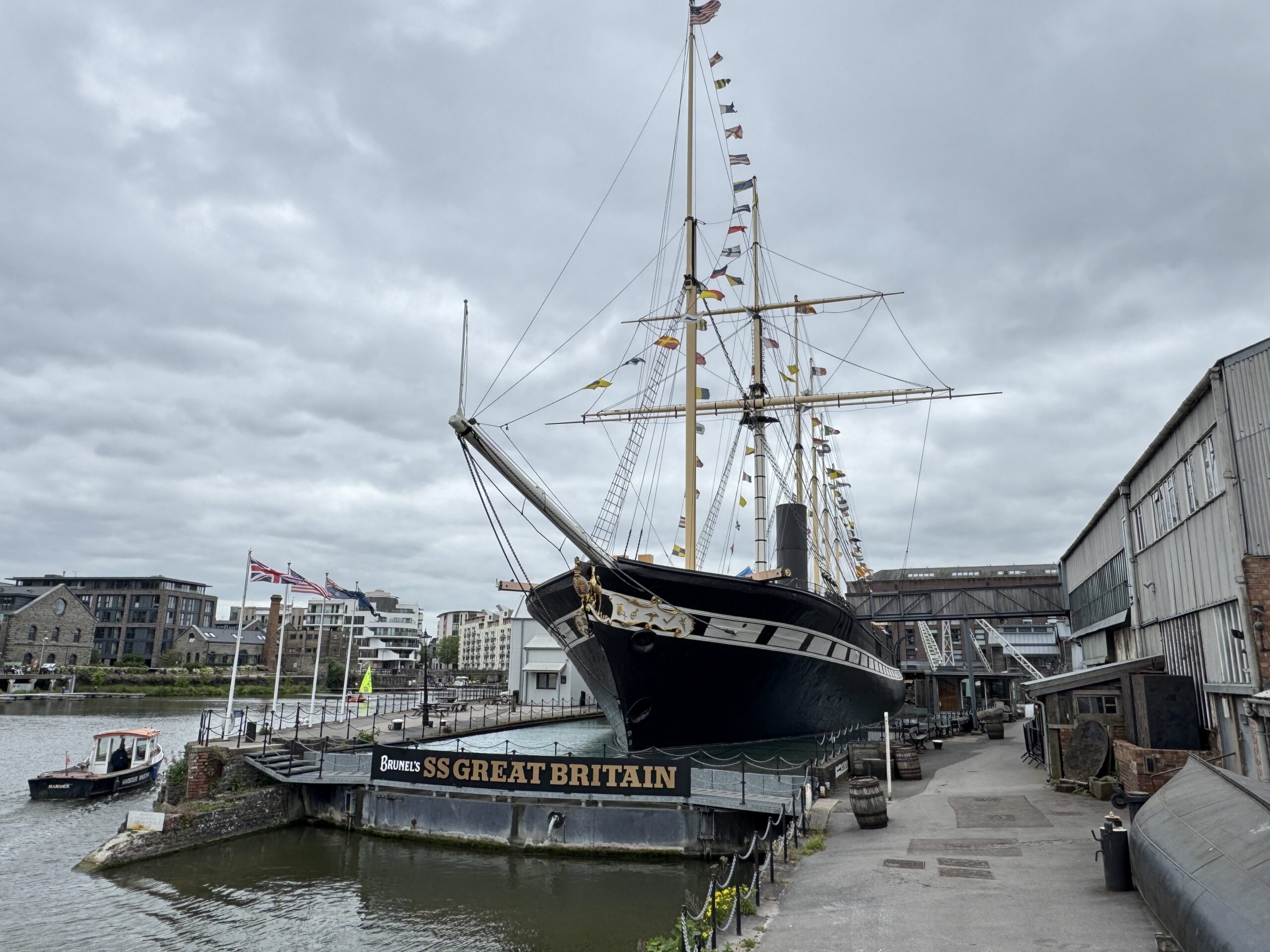

I’d been planning a trip to Bristol for a while, and one stop I had circled from the start was Brunel’s SS Great Britain. I’m always drawn to history when I travel, and something about a 180-year-old ship sitting in the same dock where it was built felt worth the detour.
Quick Summary
- Water taxi from downtown Bristol costs around £1 each way — or walk via the pedestrian bridge
- Plan for about 2 hours to see the ship, dry dock, and Brunel museum comfortably
- The dry dock experience — walking underneath the hull — is not to be rushed
- Pay extra to climb the masts for city views — best on a clear, calm day
- Nearby: M Shed and The Matthew of Bristol (free) are a 5–8 min walk away
Getting There: Arrive by Water
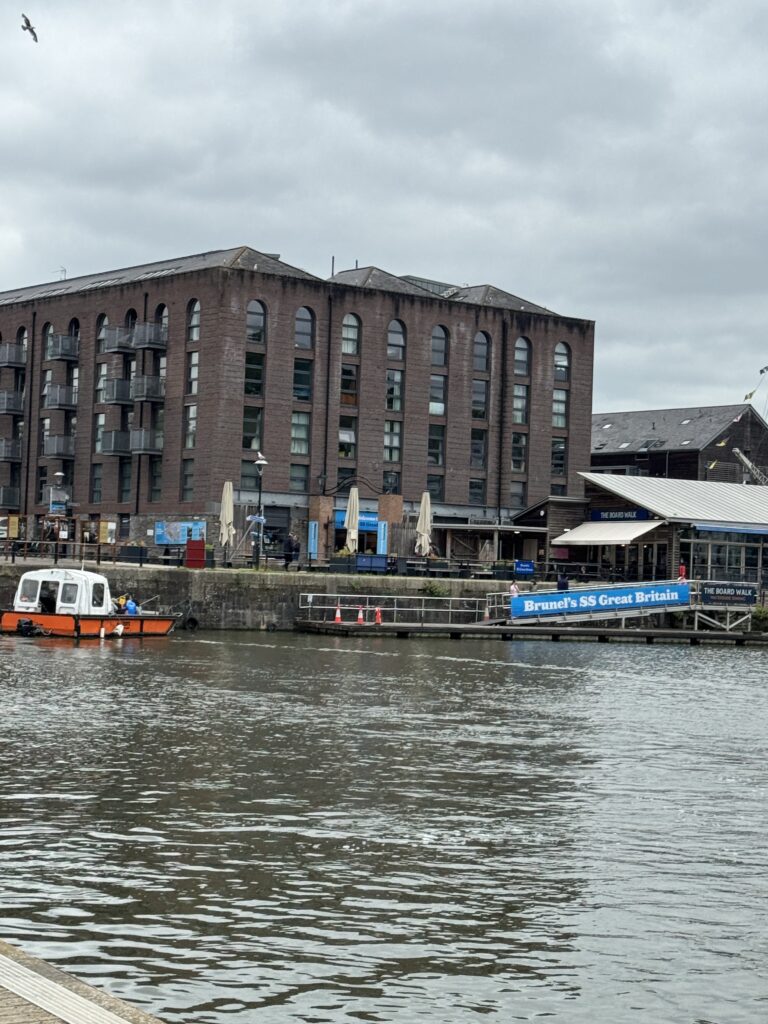
Getting there is half the fun. From the south side of the river in Bristol, you can hop on a small water taxi for about £1 each way — one of the cheapest and most enjoyable ways to cross the harbor. It drops you right at the dock. There’s also a pedestrian bridge if you’re further along the waterfront and prefer to walk, but honestly, arriving by water to board a ship just feels right. It sets the mood before you even step aboard.
First Sight: Bigger Than You Expect
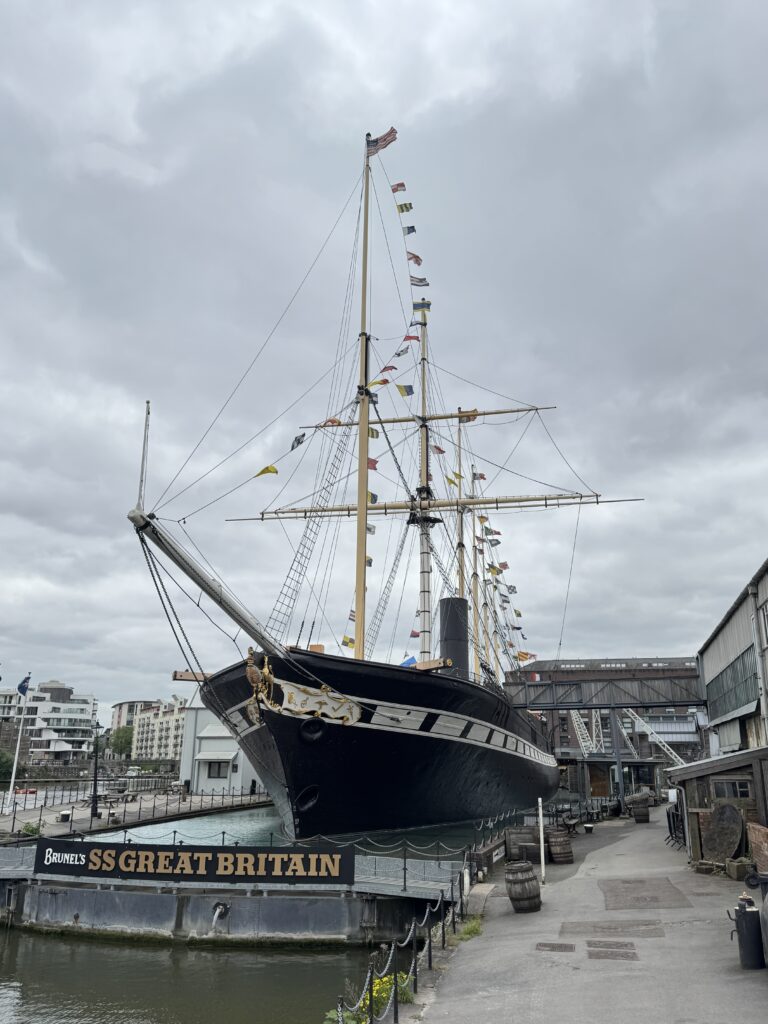
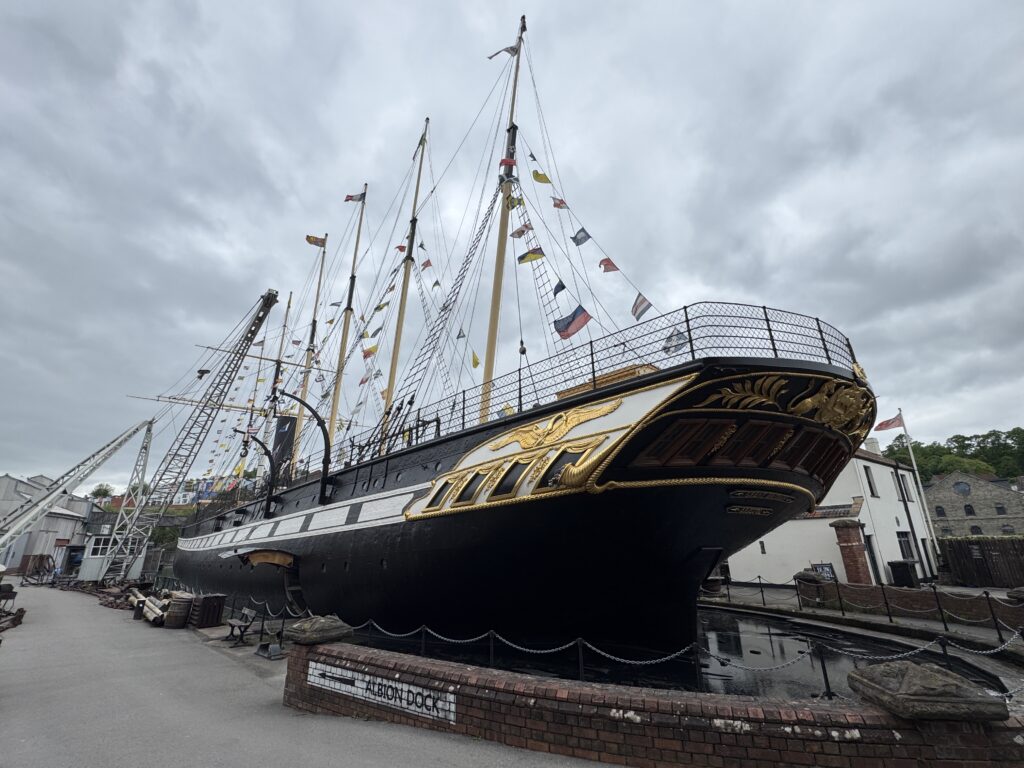
Walking up to the ship for the first time, the masts hit you first. They tower above the dock, and as you get closer, the full size of the vessel starts to register. What struck me immediately was how well maintained and beautiful the ship is. The black hull with its gold detailing along the bow looks like it’s been cared for with real pride. Standing next to it, you get a sense of just how enormous this thing is — and that was before I even went aboard.
A Ship That Rewrote the Rules
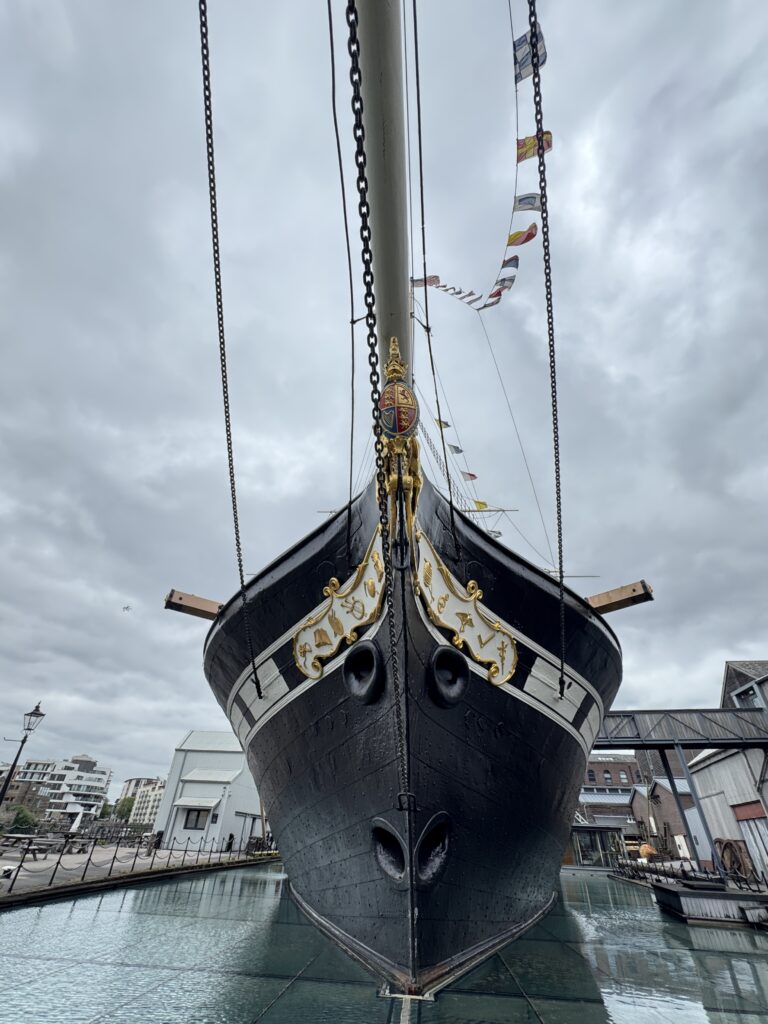
I’ll be honest — before visiting, I had no idea who Isambard Kingdom Brunel was. The name meant nothing to me. That changed pretty quickly.
The SS Great Britain was launched in 1843 and was, at the time, unlike anything the world had ever seen. It was the first large ocean-going ship to be built with an iron hull and powered by a screw propeller — both ideas that seemed radical at the time and went on to define modern shipbuilding. Before this ship, crossing the Atlantic could take anywhere from four to six months depending on the wind. The SS Great Britain could do it in 60 days. That’s not an incremental improvement — that’s a complete transformation of what ocean travel meant.
When you walk through the museum, that history unfolds in layers, and what makes it compelling is that the ship itself is your exhibit.
Life on Board — Then and Now
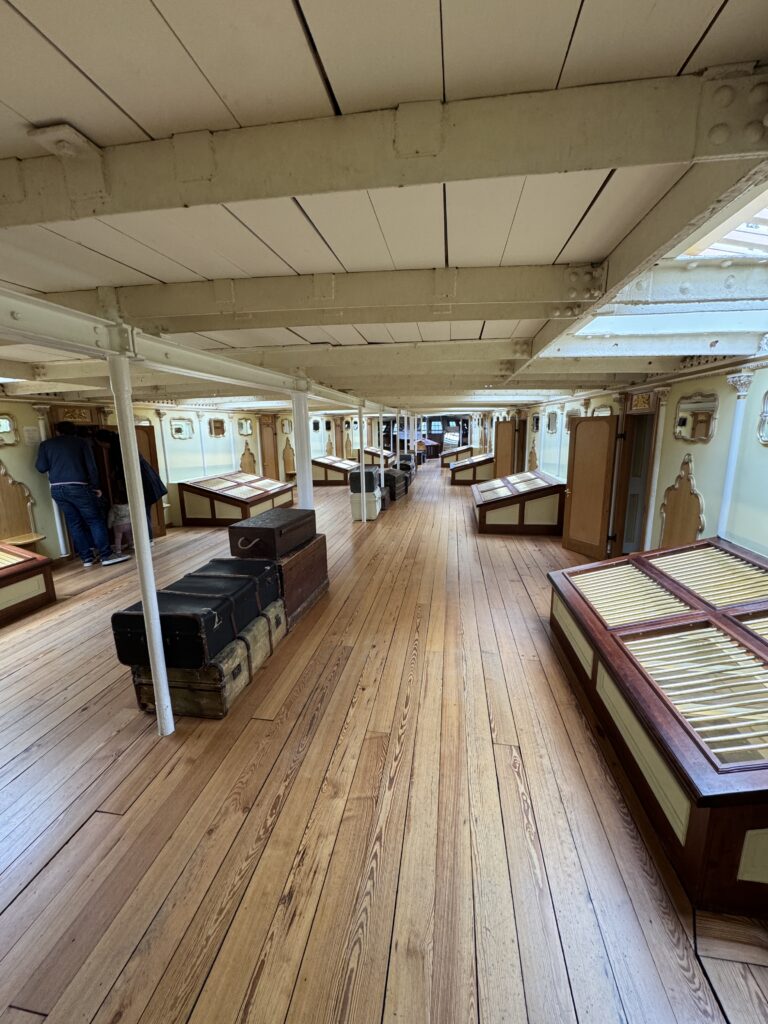
One of the most memorable parts of the tour is stepping into the passenger cabins. I knew they’d be small — this is a Victorian-era ship — but nothing quite prepares you for how small. The beds are narrow enough that you have to wonder if passengers slept on their sides just to fit. Looking at them, I couldn’t help thinking: someone chose to cross the Atlantic in this. For weeks.
But it starts to make sense when you see the full picture. The cabins weren’t meant to be your living room — they were just for sleeping. Life on board happened in the grand dining room, the main saloon, and up on the top deck. The ship had a whole social world built into it, which explains how passengers made it through those 60 days without going stir crazy.
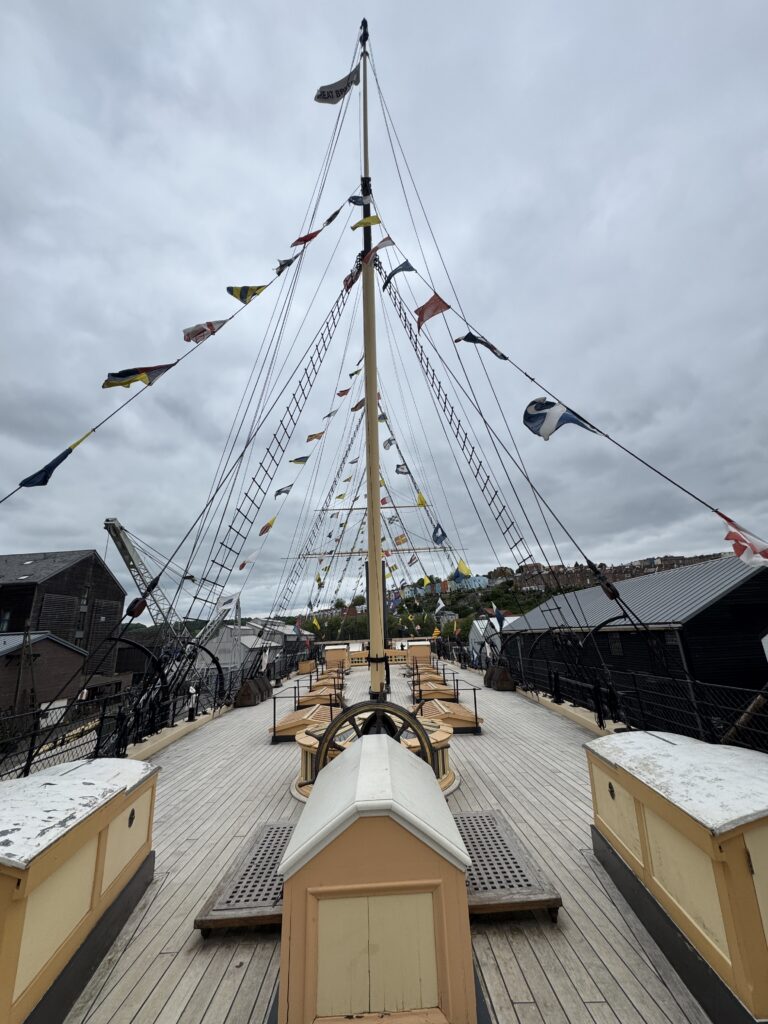
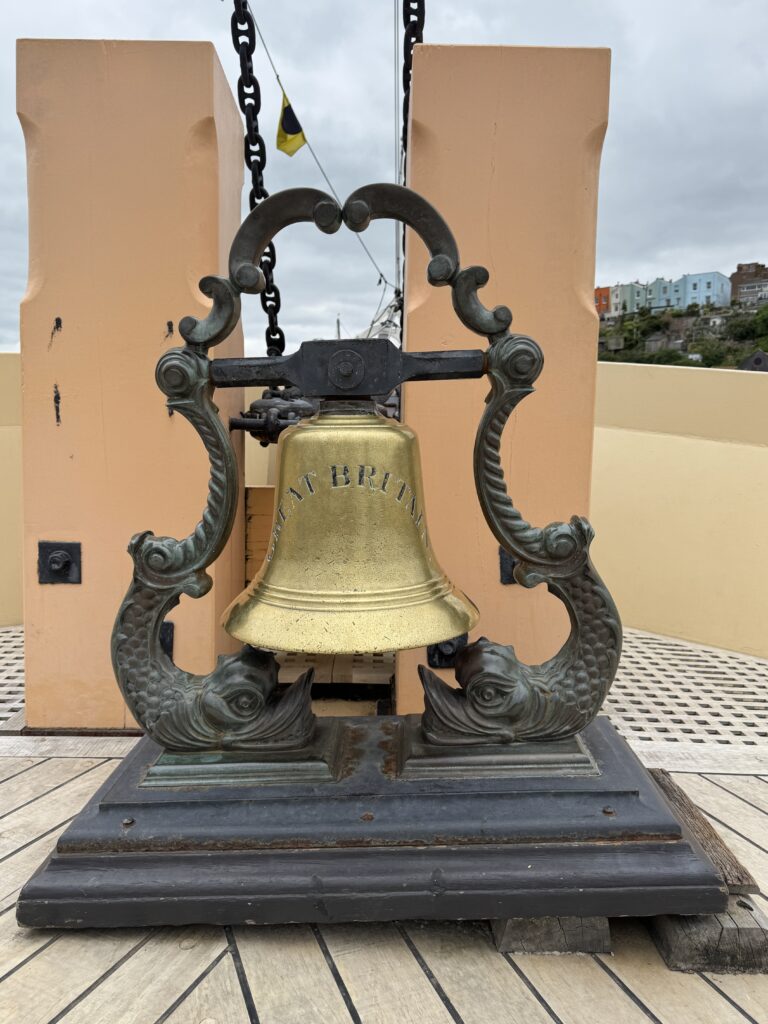
What I found really interesting is that the museum walks you through two distinct eras of the ship’s life: first as an ocean liner carrying passengers across the Atlantic, and later as a cargo ship. The same vessel, completely repurposed. It gives you a much richer sense of the ship’s full story rather than just one chapter of it.
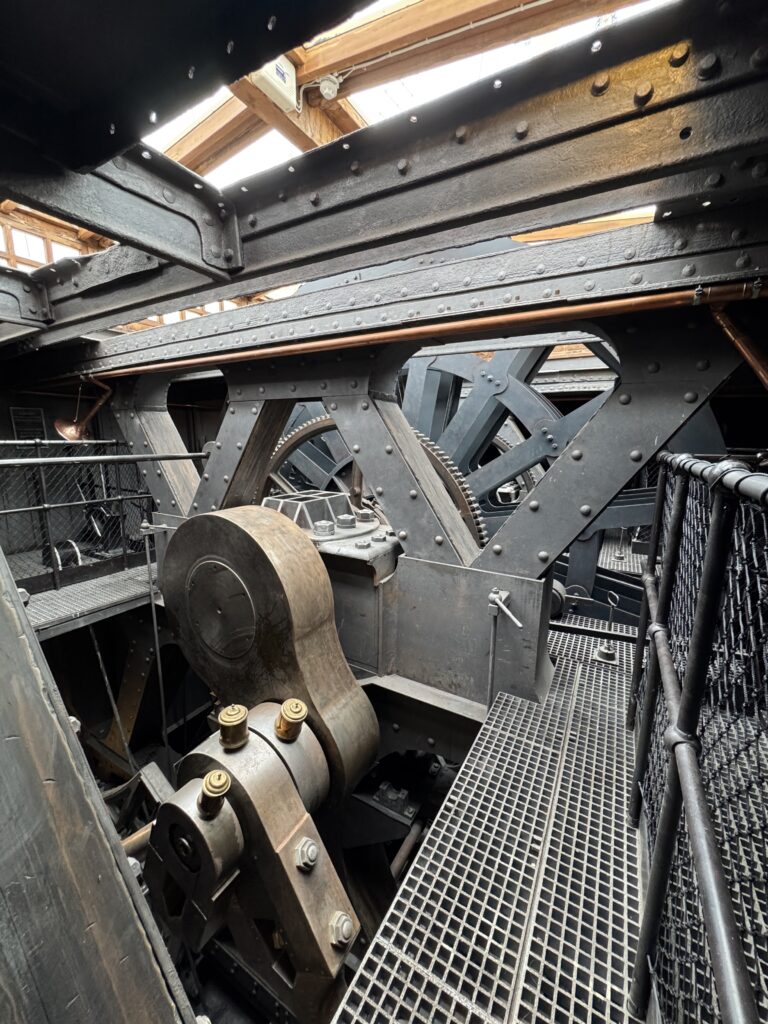
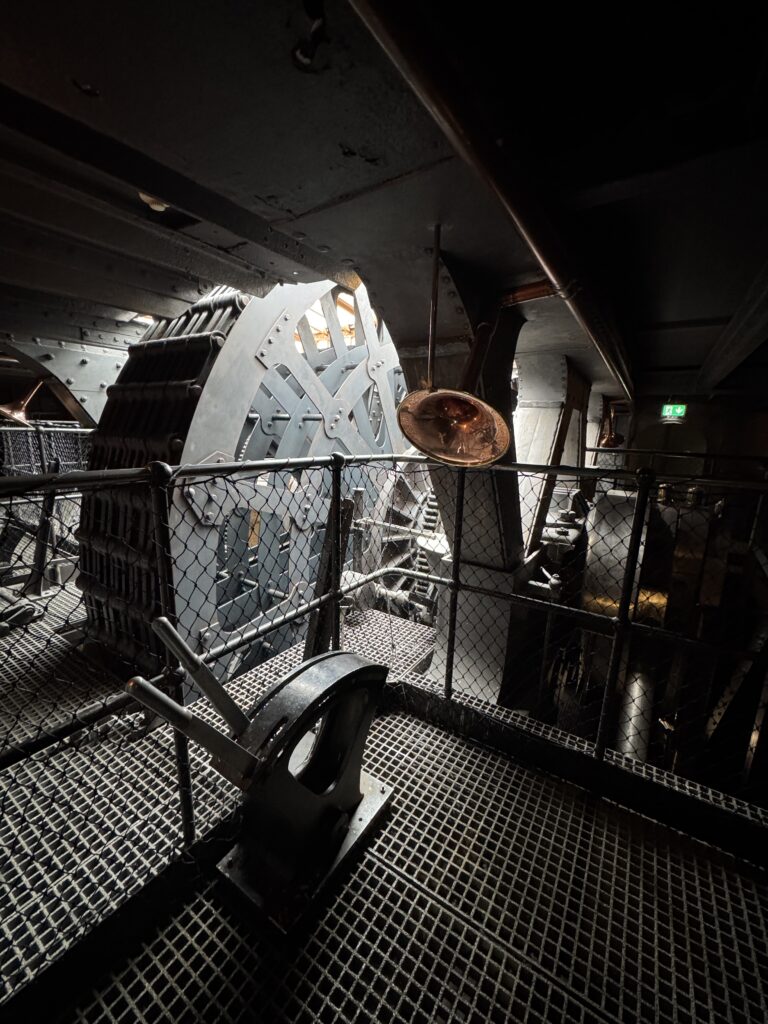
The engine room is another highlight. Seeing the actual machinery — the gears, the pistons, the sheer industrial scale of what powered this ship — up close gives you a new appreciation for what an engineering achievement this was in 1843.
The Dry Dock: The Moment That Stays With You
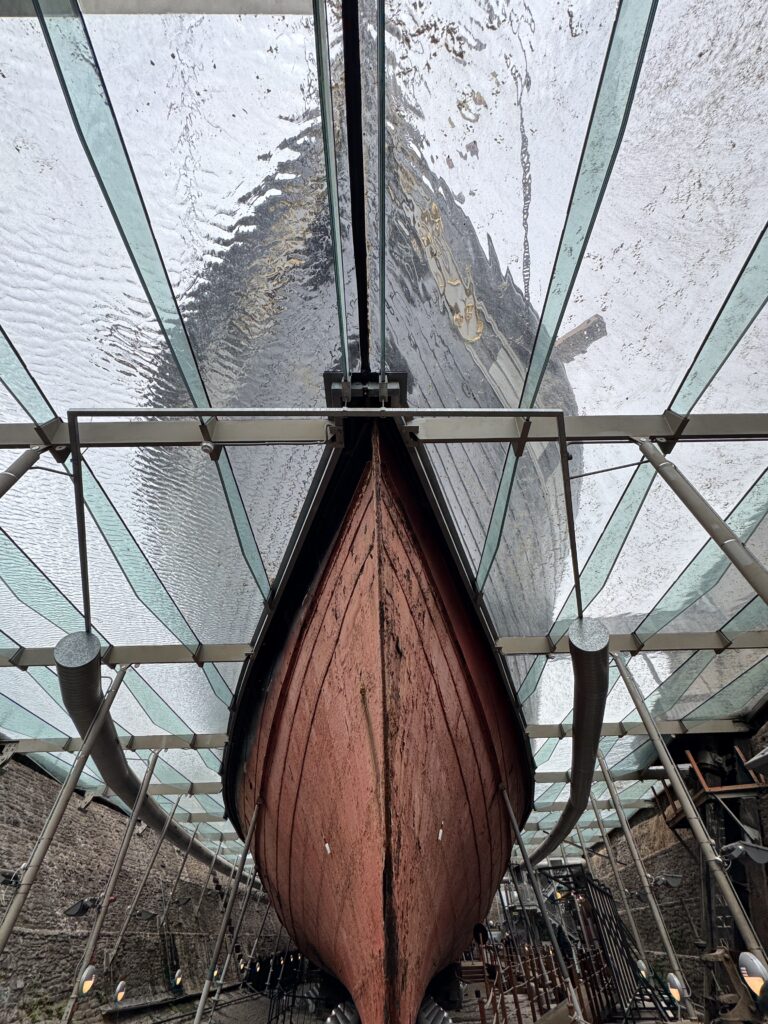
If there’s one part of the visit I’d tell anyone not to rush through, it’s the dry dock.
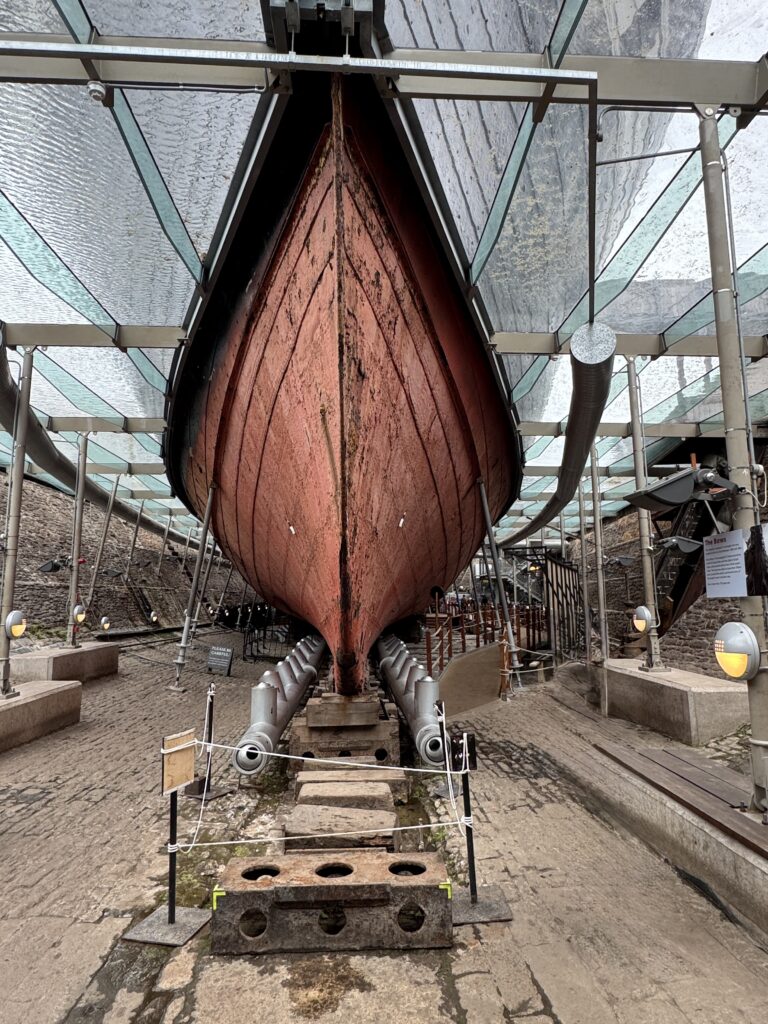
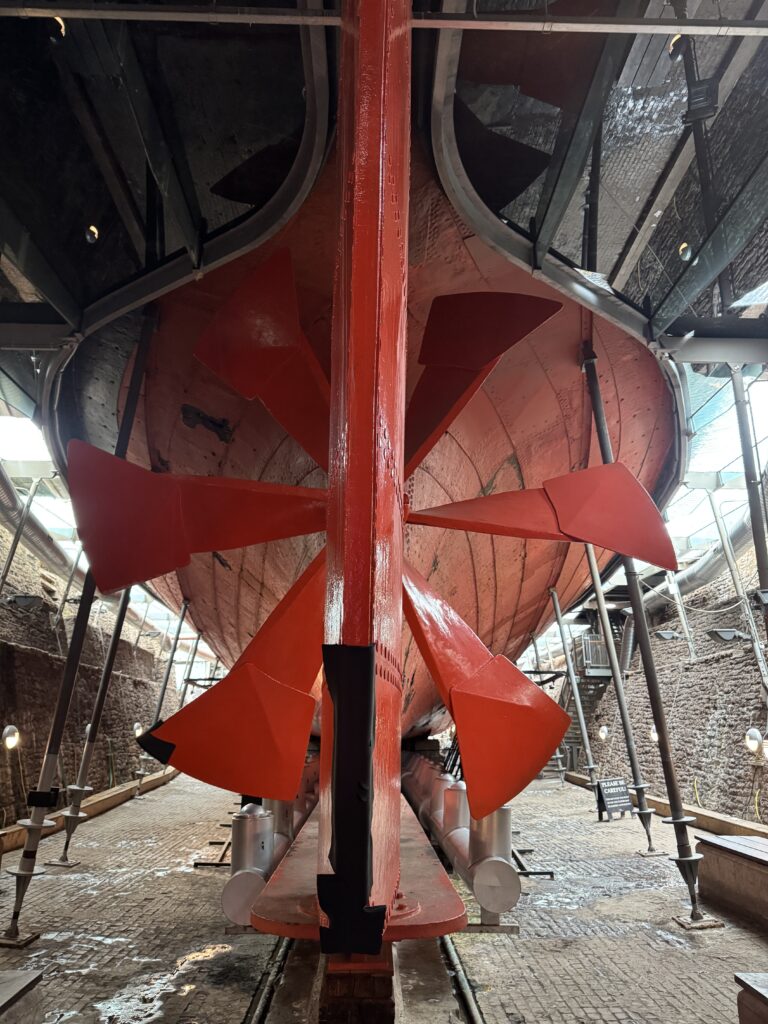
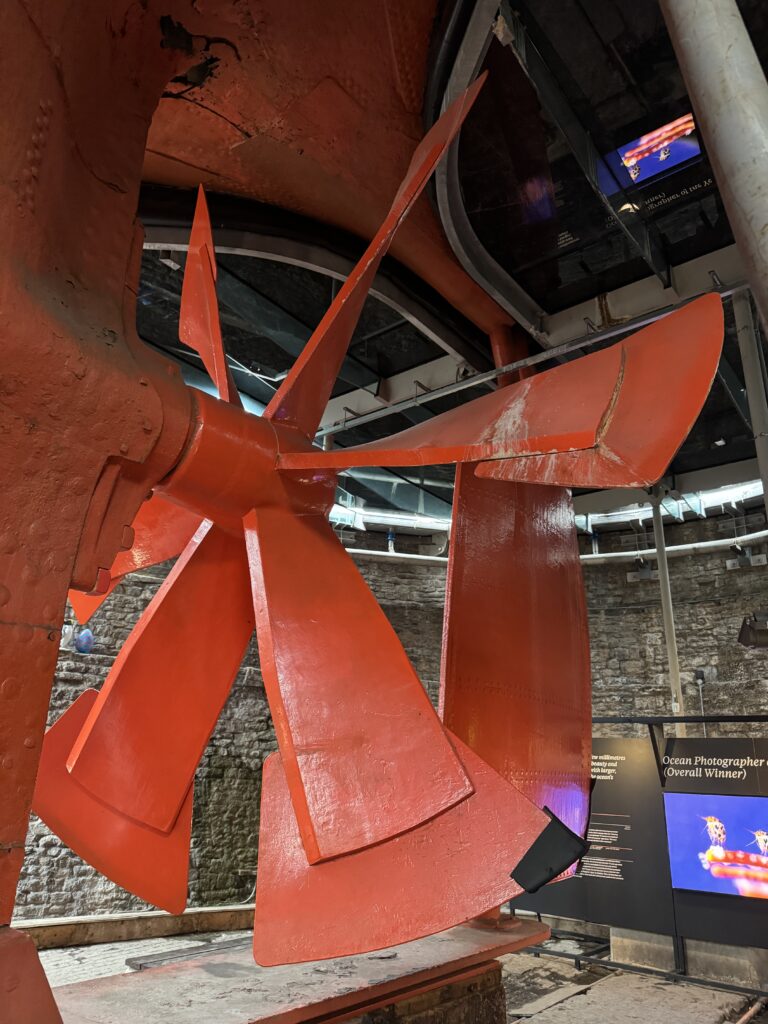
You descend below the waterline and walk underneath the ship entirely. Suddenly, you’re looking up at the hull from below — this massive curved wall of iron stretching above you — and at the far end, the propeller. It’s painted a vivid red and it’s enormous, with six blades fanning out from the centre. Standing underneath it, you finally understand just how big this ship actually is. Photos don’t do it justice. You need to be there, looking up.
Being able to walk the full length of the hull from below, getting a feel for the sheer scale of the thing — that was probably my favorite moment of the entire visit.
Brunel: The Man Behind It All
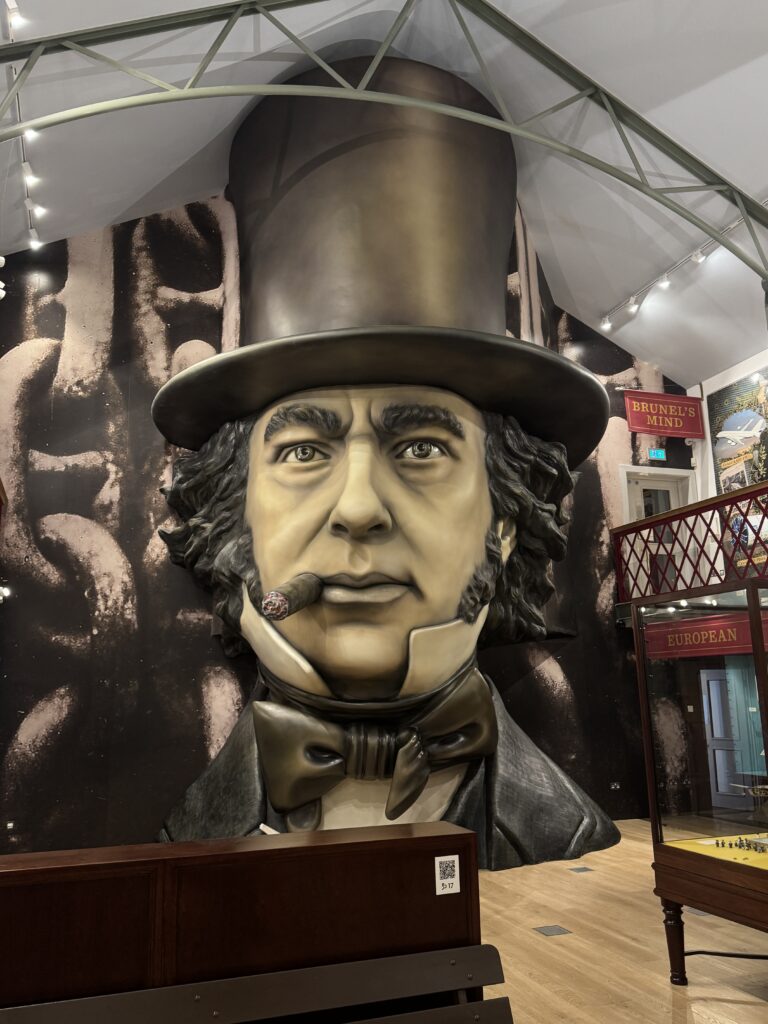
I came in knowing nothing about Brunel. I left genuinely fascinated.
The museum dedicated to him is excellent. It covers not just the SS Great Britain but the full scope of what he built: three major ships, multiple suspension bridges, and the Great Western Railway — the line that runs from London Paddington to Bristol.
Here’s the part that stopped me: I had taken the Great Western Railway to get to Bristol. I rode his railway to see his ship, and I had no idea until I was standing in the museum reading about it. That kind of connection — between the history you’re learning and the journey you just took to get there — is what makes a visit like this genuinely memorable rather than just educational.
| Detail | Info |
|---|---|
| Location | Great Western Dockyard, Gas Ferry Road, Bristol BS1 6TY |
| Getting There | Water taxi (~£1) from city centre, or walk via pedestrian bridge |
| Time Needed | ~2 hours for ship, dry dock & Brunel museum |
| Mast Climb | Extra fee — great views on a clear day, skip it if windy |
| Nearby | M Shed & The Matthew of Bristol — 5–8 min walk |
One Thing I Skipped (But You Might Not Want To)
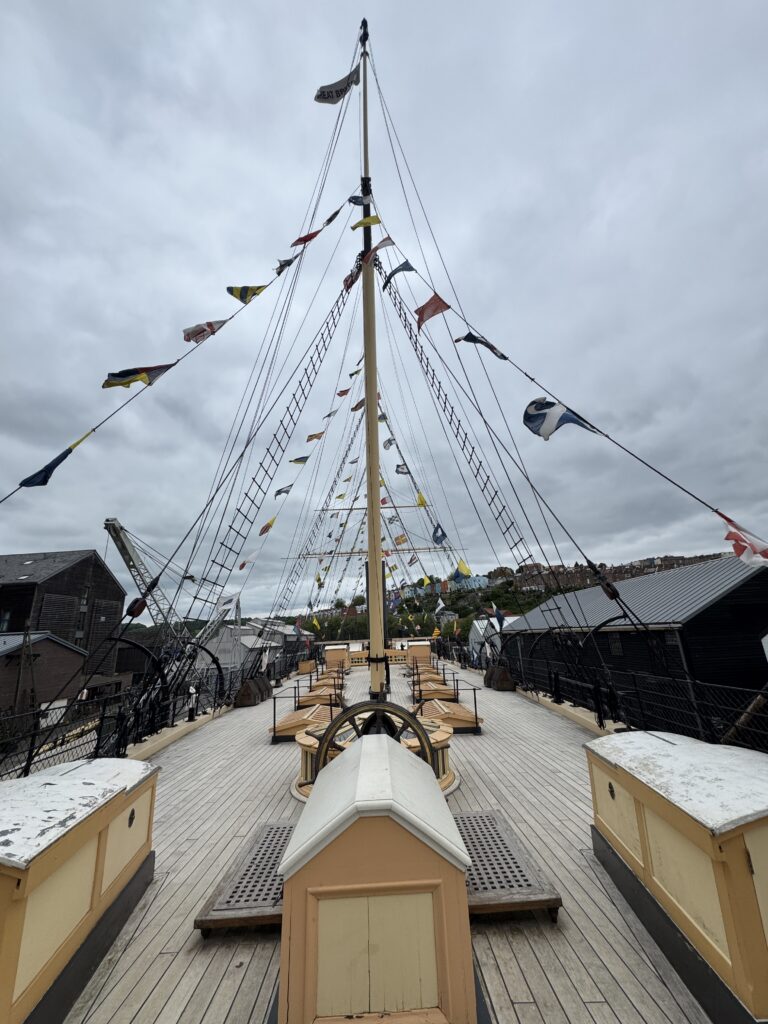
For an extra fee, you can climb one of the masts and walk out onto a viewing platform with panoramic views of the city. On a clear day, I imagine it’s spectacular. I passed on it — the wind was picking up and the temperature had dropped — but if you’re visiting on a nicer day, it sounds worth doing.
Mast Climb Tip
The mast climb is weather dependent. Save it for a clear, calm day — windy conditions make the platform less enjoyable and it may be closed. Check before you book the add-on.
While You’re in the Area
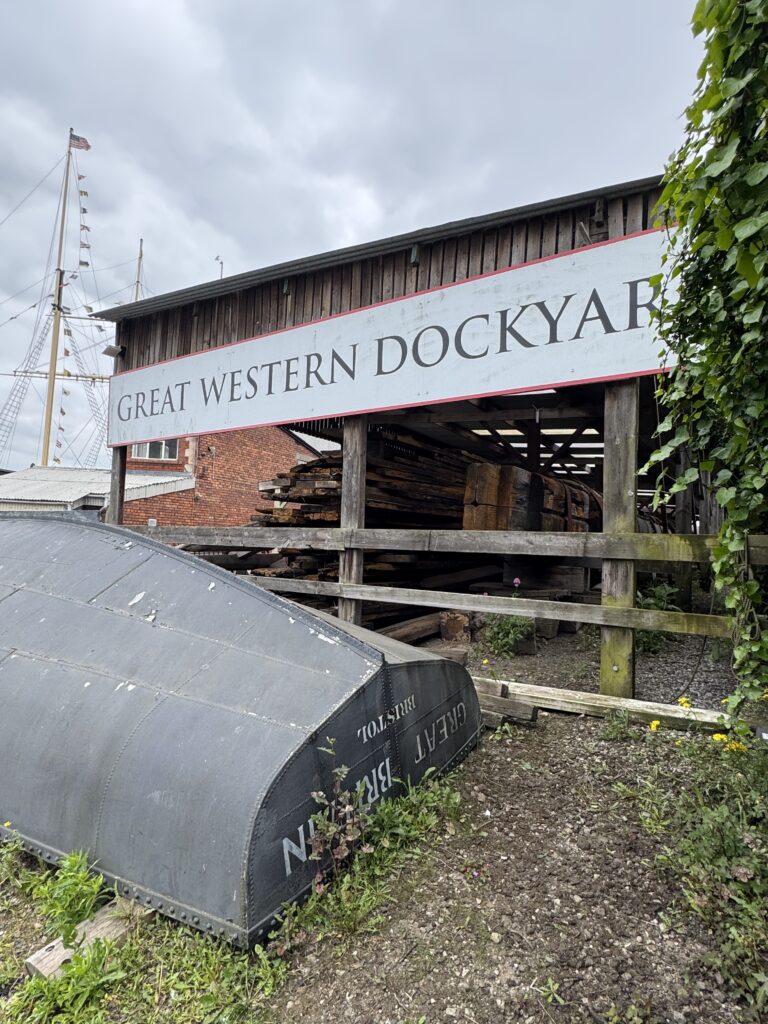
The ship is a little tucked away from the main drag, but that’s part of its charm. Once you’re done, it’s an easy 5–8 minute walk along the waterfront to M Shed, Bristol’s main museum on the south bank — a great way to continue the day. You’ll also pass The Matthew of Bristol, a replica of the ship John Cabot sailed to North America in 1497. Entry is free, and they offer rides up and down the river if you’re up for it.
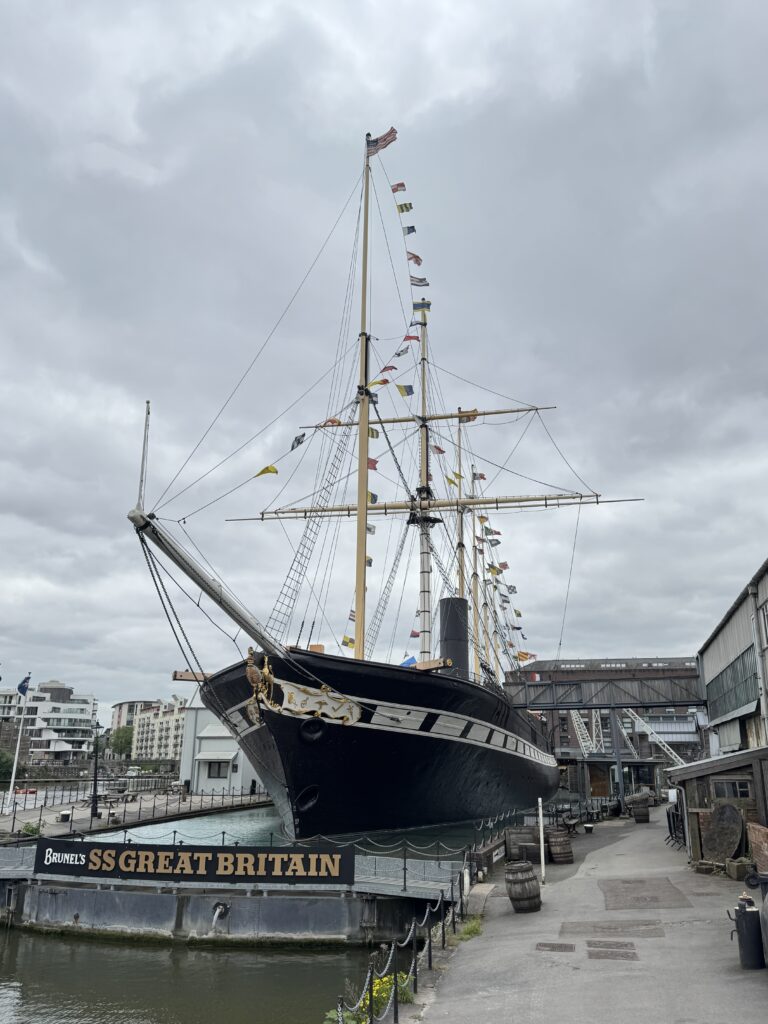
One last look from the dock before heading out — the ship is just as impressive on the way out as it was walking in.Final Thought
I spent just under two hours at the SS Great Britain and came away with a completely different understanding of Bristol, of Victorian engineering, and of a man I’d never heard of who shaped the modern world more than most people realize.
If you’re visiting Bristol, this isn’t optional. It’s one of those places that earns its reputation, and then some.